Starting a soda maker exchange business seems simple, but you worry about the hidden risks. What if cylinders leak or don't fit? The real challenge isn't the price, but building a reliable system.
The hardest part isn't just buying bulk CO2 cylinders; it's sourcing cylinders designed for a repeatable, safe, and compliant exchange system. Factors like valve compatibility, consistent filling, and robust quality control are more critical than the initial unit price for your long-term success.
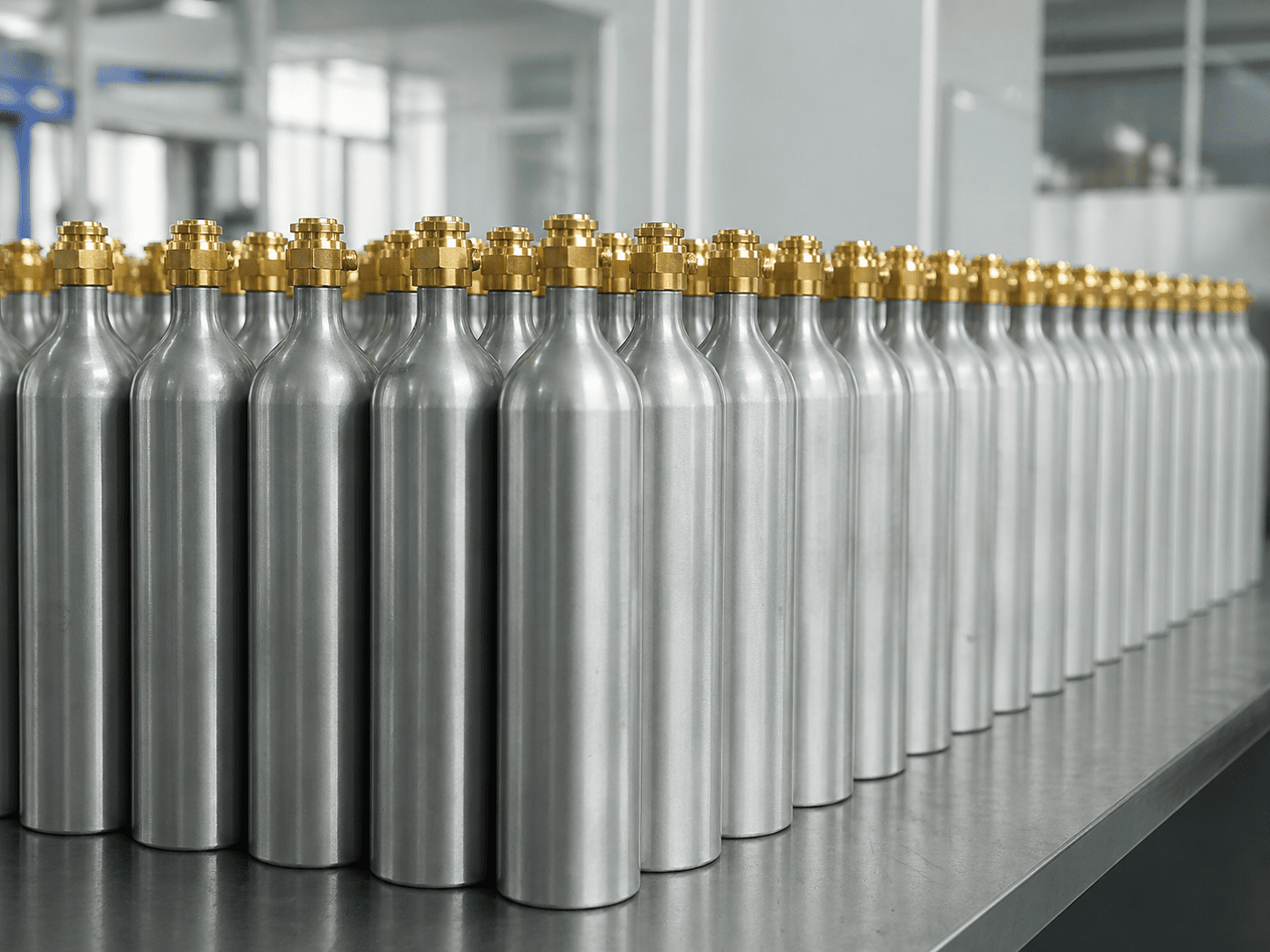
Many buyers I talk to focus first on cylinder size and cost. They think if the cylinder holds 425g of CO2, it's good enough. But from my experience running a factory that produces these cylinders, I can tell you the real challenge starts after the first sale. The success of your exchange program depends entirely on what happens when those cylinders are used, returned, and refilled. Let's break down the critical factors that separate a profitable exchange business from a logistical nightmare.
Is Any Refillable Cylinder Good Enough for an Exchange Program?
You've found a supplier for 425g CO2 cylinders that match the size you need. But what if the valves don't fit all local soda makers, or the threads wear out after a few refills? Choosing the right cylinder means looking beyond capacity to ensure system-wide compatibility.
No, not every refillable cylinder is suitable. A successful exchange program depends on cylinders with standardized valve threads, durable construction for repeated handling1, and proven compatibility with the target market's soda machines. Mismatches can lead to customer complaints, returns, and damage to your brand's reputation.
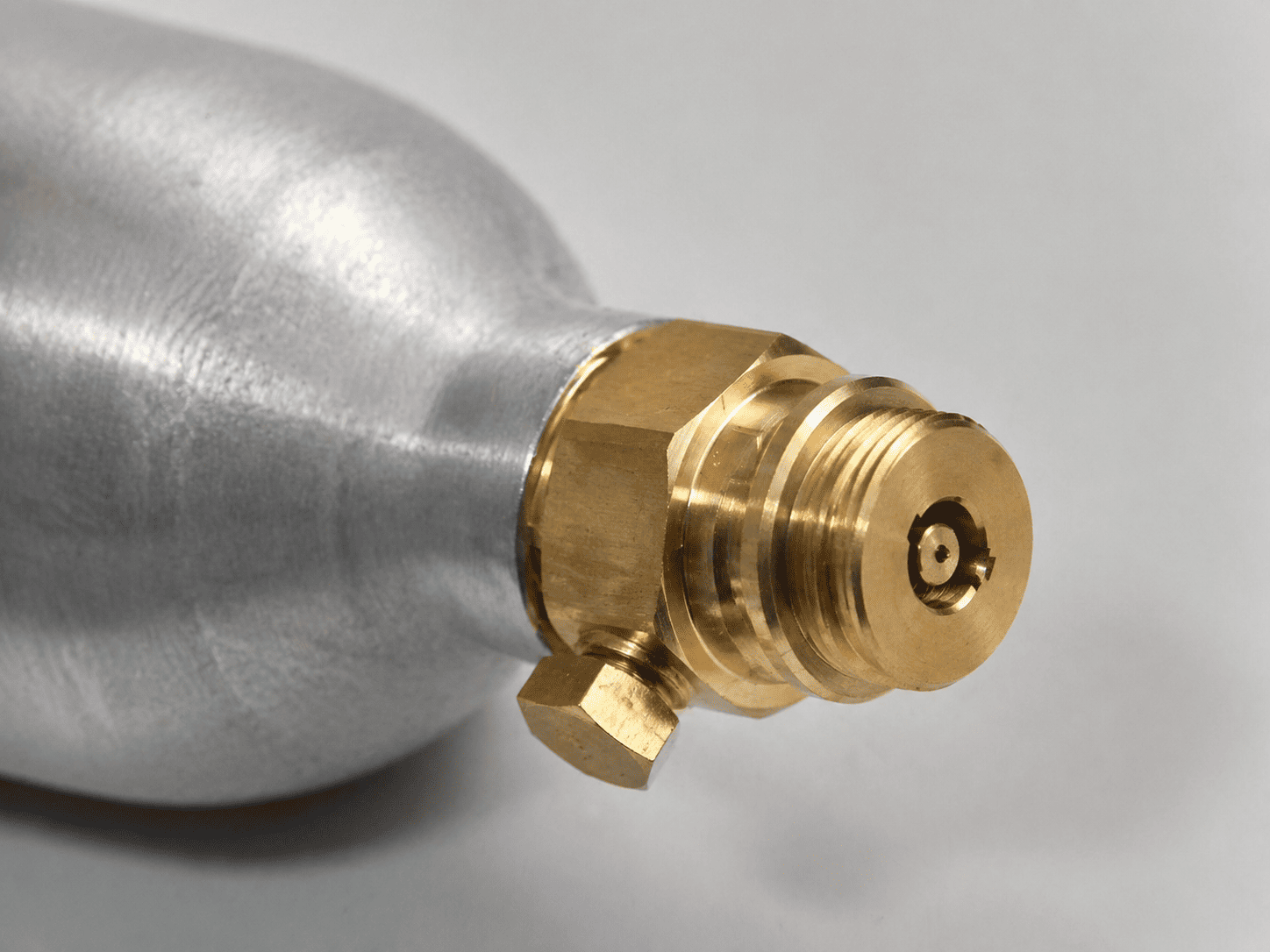
In our factory discussions with wholesale and private-label buyers, the conversation often starts with price but quickly moves to compatibility. A cylinder that doesn't work with a customer's machine is not just a return; it's a lost customer. An exchange business model is built on repeat purchases, and trust is everything. If the first cylinder from your brand doesn't work, there won't be a second purchase.
That's why we treat refillable cylinders as part of a circulation system, not a one-time product. The cylinder must be robust enough to handle dozens of cycles of shipping, customer handling, and refilling. This requires attention to details that go far beyond basic capacity.
Critical Cylinder Specifications for Exchange Programs
Here is a breakdown of what we consider essential when manufacturing cylinders for an exchange business.
| Feature | Importance for Exchange Business | What to Look For |
|---|---|---|
| Valve Type & Threading | Ensures compatibility with local soda makers and your refilling equipment. | Standardized pin valves, like the TR21-4, with consistent, high-quality thread manufacturing to prevent stripping over time. |
| Material & Construction | Dictates lifespan and safety after multiple refill cycles. | High-quality 6061 aluminum alloy for durability, light weight, and corrosion resistance.2 The cylinder must withstand repeated pressurization. |
| Traceability Marks | Essential for tracking refill cycles, inspection dates, and batch quality. | Clear, permanent markings for manufacturing date, batch number, and test pressure.3 This is crucial for safety and compliance. |
| Safety Features | Protects consumers and your refill operators from over-pressurization. | Integrated safety features like burst discs and pressure relief devices4 that comply with regional standards. |
How Do Hidden Costs Ruin a Cylinder Exchange Business?
You're focused on getting the lowest unit price per cylinder to maximize your initial profit. But this focus can blind you to the massive hidden costs of leaks, customer complaints, and supply chain disruptions. Understanding the total cost of ownership is key to a sustainable business model.
Hidden costs come from failures in circulation, not the initial purchase. Leaky cylinders, inconsistent gas fills, and valve malfunctions create expensive customer service issues, retailer chargebacks, and brand damage. A quality-assured cylinder can prevent these much larger operational losses.
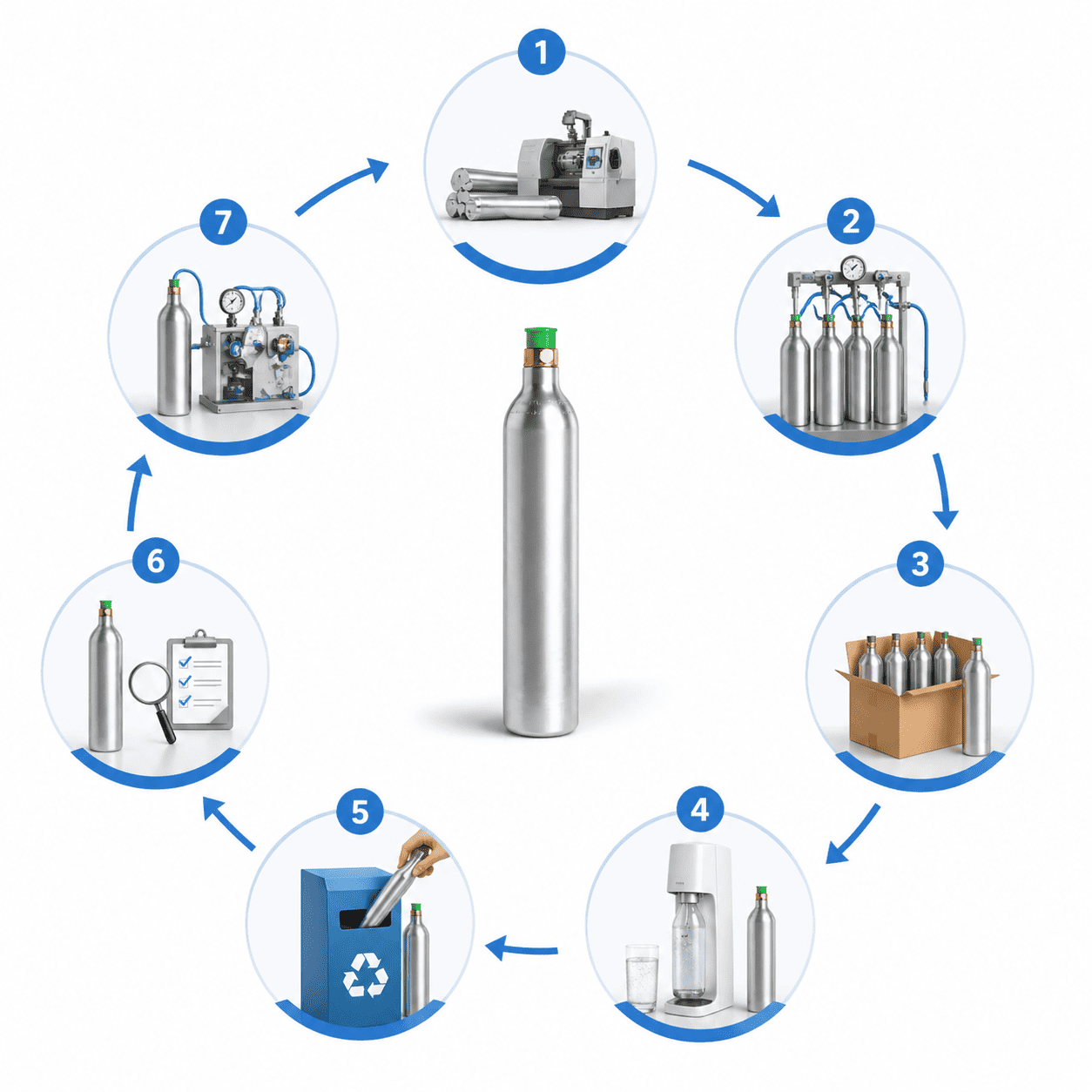
From my supplier-side experience, I've seen businesses struggle because they underestimated the long-term operational costs. A "cheap" cylinder that leaks is incredibly expensive. First, you have the cost of the lost gas. Second, you have the cost of handling the customer complaint. Third, you have the cost of shipping a replacement. And fourth, you have the invisible cost of a damaged reputation, which is the most expensive of all. A customer who receives a faulty cylinder might tell ten friends, and those ten friends will never buy from you.
The True Cost of a "Cheap" Cylinder
When we discuss pricing with our clients, we always frame it in terms of total operational risk. Here are the real costs that a low-quality cylinder can create for your exchange business:
-
After-Sales Support: Every customer email or phone call about a leaky or empty cylinder costs your team time and money. If a retailer receives a bad batch, you might have to replace the entire shipment at your own expense, including shipping both ways. This can wipe out the profit from hundreds of sales.
-
Brand Reputation: In today's market, online reviews are everything5. A few negative reviews about "cylinders that run out in a day" or "don't fit my machine" can destroy a new brand. Trust is built on reliability, and reliability starts with a quality product.
-
Logistical Nightmares: Imagine having to recall a batch of thousands of cylinders spread across hundreds of retailers and homes. The reverse logistics, inspection, and replacement costs are enormous. In our production process, we implement 100% quality inspection and a leakage rate of less than 1 in 10,000 precisely to prevent this scenario. We know a single faulty batch can disrupt a partner's entire business.
-
Compliance & Safety Risks: A cylinder is a pressure vessel.6 If one fails and causes an incident, the legal and regulatory consequences can be severe7. This is why we are so strict about our hydraulic testing, burst testing, and material quality. We are not just selling a product; we are protecting our clients' businesses.
Why Does a Supplier's Filling Process Matter So Much?
You might assume that as long as the cylinder is filled with 425g of CO2, you are good to go. But what if the gas isn't food-grade, or the fill weight is inconsistent across the batch? A reliable supplier controls the entire process, from cylinder manufacturing to gas filling.
The filling process is critical for safety, consistency, and customer satisfaction. A supplier with in-house filling ensures food-grade gas purity8, accurate fill weights, and proper cleaning between refills9. This integrated approach prevents contamination and guarantees every cylinder performs as expected, protecting your brand.
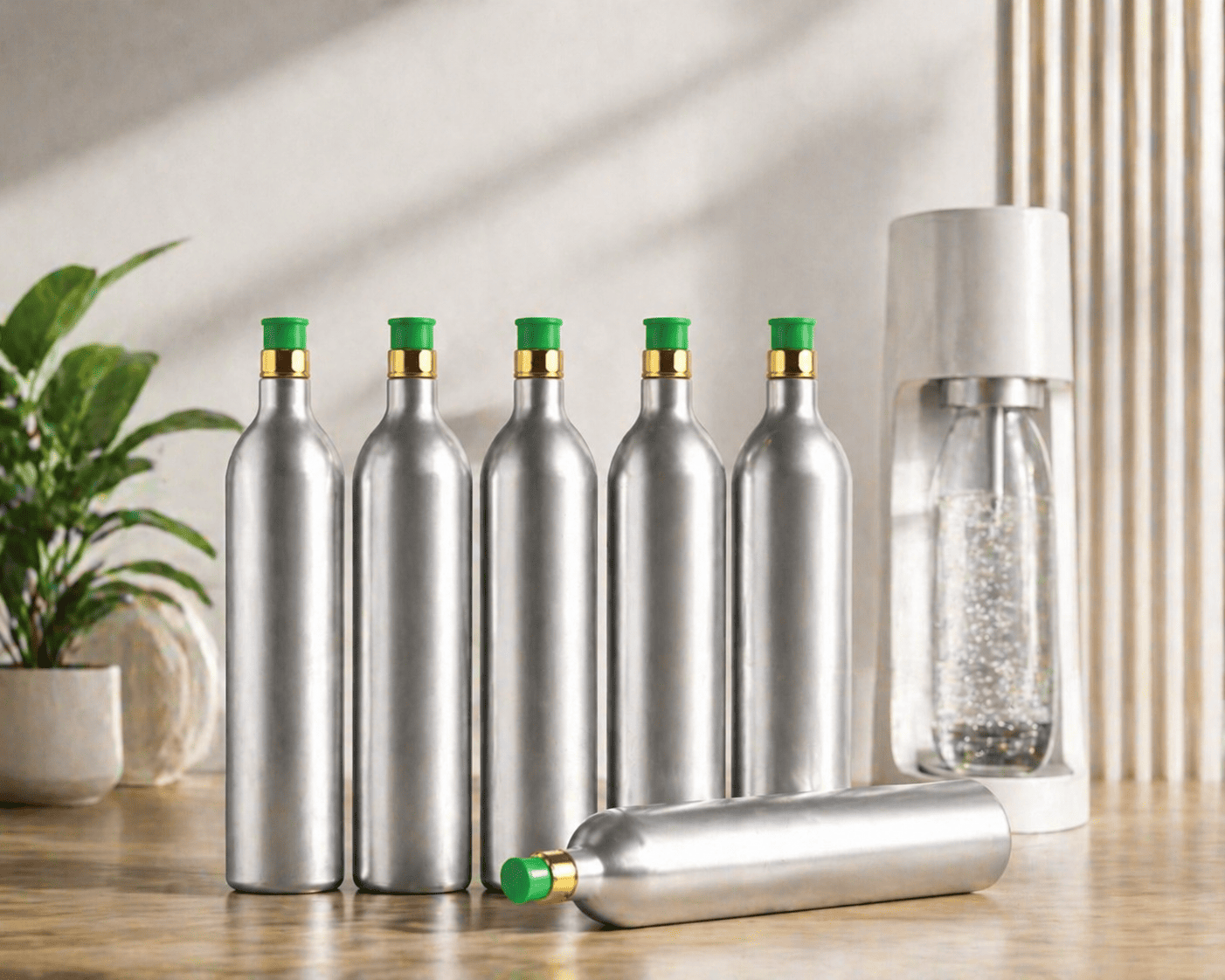
In discussions with brand owners, we often find they underestimate the risks of separating cylinder sourcing from gas filling. When you use different vendors, who is responsible if a customer complains about an off-taste in their soda? Is it the gas quality, or was the cylinder not cleaned properly before filling? This finger-pointing creates problems for your business.
As a factory that produces our own aluminum cylinders and manages our own in-house gas filling, we eliminate this risk for our partners. We control every step. Our integrated process means we are fully accountable for the quality of the final product that reaches your customers.
The Importance of an Integrated Manufacturing and Filling System
Here is what our end-to-end control looks like in practice:
-
Comprehensive Cleaning: Before any cylinder is filled, it goes through a multi-step cleaning and drying process. This removes any residual oils or microscopic particles from the manufacturing stage. This step is absolutely essential for a food-grade product, as any contamination can affect the taste and purity of the final beverage.
-
Accurate Weighing & Filling: We use 12 automated inflators linked to precise digital scales. This ensures every cylinder is filled to the correct weight. An under-filled cylinder leads to an unhappy customer who feels cheated. An over-filled cylinder is a serious safety risk.10 Our daily capacity of 10,000 cylinders is built on this foundation of consistency.
-
Gas Purity Control: We source our CO2 and store it in our own two 20-ton gas storage tanks. This allows us to maintain a consistent, high-purity, food-grade gas supply for all production runs. This guarantees that the soda made with your cylinders tastes clean and fresh every single time.
This complete control means that when you receive a shipment from us, you can be confident that every single cylinder is safe, pure, and consistently filled.
Conclusion
Building a successful soda exchange business is less about the cylinder's price and more about the reliability of your entire circulation system. Choose a supplier who understands this and can deliver a safe, consistent product.
Regulatory or standards-based sources can support why refillable pressure cylinders must be designed and inspected for repeated service. ↩
A university, materials handbook, or engineering reference can substantiate the relevant mechanical and corrosion-resistance properties of 6061 aluminum. ↩
Government or standards references can verify that compressed-gas cylinders require permanent identification and test markings for traceability and safety compliance. ↩
A safety-standard or government source can confirm that pressure relief devices are used to reduce overpressure hazards in compressed-gas containers. ↩
Peer-reviewed consumer-research sources can show that reviews affect purchase intention, trust, and brand reputation. ↩
A government safety or transport regulation source can establish that CO2 cylinders are regulated pressure containers with recognized hazards. ↩
Regulatory sources can support that compressed-gas cylinder failures and noncompliance may trigger enforcement, penalties, or legal liability. ↩
Food-regulatory sources can verify that carbon dioxide used in beverages is treated as a food additive and must meet purity requirements. ↩
Food-safety or sanitation guidance can support that reusable containers and equipment must be cleaned to avoid contamination. ↩
A safety or technical source can explain that excess fill in CO2 cylinders can raise pressure during warming and create rupture or relief-discharge hazards. ↩